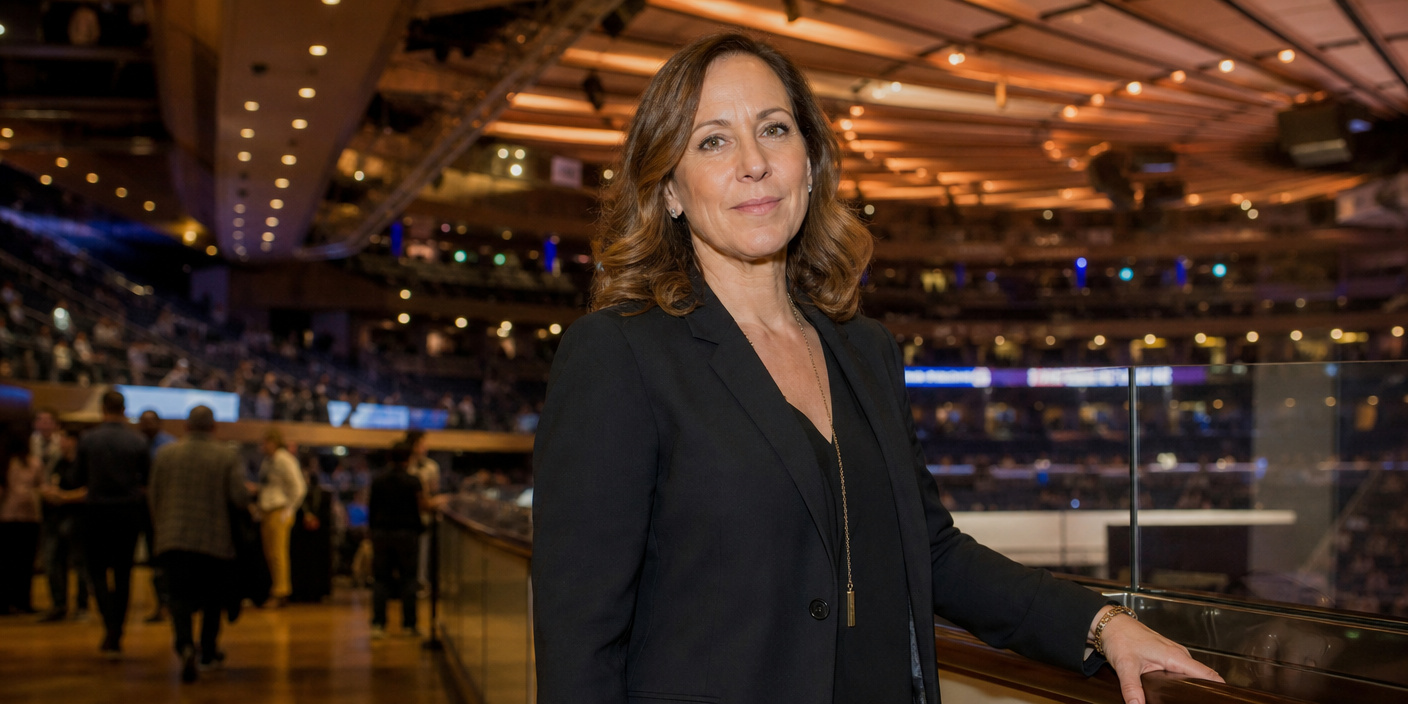
Universal Music Group (UMG) has officially appointed Libby Bush to the newly created executive role of President, Global Brands and Commercial Partnerships. This strategic appointment marks a significant evolution in how the world’s largest music company intends to monetize its vast intellectual property portfolio. By centralizing oversight of brand and commercial initiatives under a dedicated Presidential office, UMG is signaling a clear intent to move beyond traditional licensing models, favoring deep-tier, long-term collaborations that integrate artists more intimately with global consumer brands.
The Strategic Shift: A New Presidential Mandate
The creation of this role represents a departure from the fragmented partnership models of the past. Traditionally, commercial partnerships were handled by disparate teams across various label imprints and international offices. By consolidating these efforts under Libby Bush, UMG aims to streamline the bridge between its artist roster and global corporations. This is not merely an administrative reshuffle; it is a fundamental shift in revenue strategy. The focus is now on creating “turnkey” commercial opportunities that span multiple territories, ensuring that a brand partnership in North America can be seamlessly scaled or adapted for markets in Asia, Europe, and Latin America.
For the music industry, this level of executive oversight suggests that UMG views brand partnerships as a primary pillar of growth, on par with streaming revenue and physical sales. In an era where streaming growth is maturing, the company is looking to maximize the “cultural currency” of its artists, transforming them into comprehensive commercial entities rather than just recording acts.
Redefining Artist-Brand Integration
Under Bush’s leadership, the division is expected to prioritize “high-utility” integration. This goes beyond the traditional product placement or tour sponsorship models of the early 2000s. The objective is to embed artists within the product development and marketing cycles of consumer brands, creating long-term ecosystems.
We are witnessing a transition where the “Brand” and the “Artist” are co-creators. This requires a sophisticated understanding of legal rights, cultural relevance, and digital-first marketing strategies. Bush’s team will likely act as a central clearinghouse, ensuring that every brand interaction aligns with the artist’s individual brand equity while driving significant revenue. This centralized approach reduces friction for global brands looking to tap into UMG’s catalog, offering a singular point of contact for complex, multi-faceted campaigns.
The Market Economics of Non-Streaming Revenue
The economic imperative behind this appointment is clear: diversification. While subscription streaming continues to provide a stable, recurring revenue baseline, UMG and its peers are keenly aware of the limitations of relying solely on per-stream payouts. Brand partnerships offer a high-margin alternative that is resistant to the fluctuations of the digital music economy. By creating a role dedicated to commercial partnerships, UMG is effectively insulating its bottom line against potential shifts in digital service provider (DSP) payout structures.
Furthermore, this move speaks to the broader trend of “IP monetization.” Whether it is high-fashion collaborations, automotive sponsorships, or tech-enabled brand activations, the value of the artist brand is often untapped. Bush’s new mandate is to unlock this hidden value. By formalizing these processes, UMG expects to increase its market share in the global advertising and partnerships space, turning every artist on their roster into a potential partner for global corporate entities.
Future Predictions: What Comes Next?
Looking ahead, we expect this new division to roll out a series of proprietary data-driven matching tools. These tools will likely pair artists with brands based on granular audience demographics, sentiment analysis, and cultural affinity metrics. Instead of relying on manual outreach, the future of UMG’s partnership strategy will likely be algorithmic and data-backed, ensuring that the partnerships formed are not only lucrative but also “brand-safe” and highly converting. Expect significant announcements in the coming quarters regarding large-scale, multi-platform agreements that demonstrate the power of this new, consolidated leadership structure.
FAQ: People Also Ask
What is Libby Bush’s new role at Universal Music Group?
Libby Bush has been appointed as the President of Global Brands and Commercial Partnerships. In this newly created role, she is responsible for integrating brand and commercial opportunities across UMG’s global artist roster to drive revenue and deeper market engagement.
Why did UMG create this new position?
UMG created this position to centralize and scale its commercial partnership efforts. By having a dedicated Presidential office, the company can provide a unified strategy for global brands, allowing for more cohesive, efficient, and lucrative partnerships that go beyond traditional licensing.
How does this change the way artists interact with brands?
This shift moves UMG toward a more integrated, high-level approach. Artists are likely to see more sophisticated, long-term partnership opportunities that treat them as holistic brands rather than just service providers for single ad spots or tour sponsorships.
Will this impact UMG’s streaming revenue strategy?
While this role focuses on non-streaming commercial revenue, it is a complementary strategy to streaming. It allows UMG to diversify its revenue streams, reducing reliance on DSP payouts and capitalizing on the brand equity of its artists in the broader consumer market.