The music industry landscape has shifted definitively as of October 17, 2026, with the American Top 40 chart crowning Tame Impala’s latest single, ‘Dracula,’ as the number one track in the nation. This ascension marks a rare and significant crossover for the psychedelic-pop project led by Kevin Parker, cementing his influence on mainstream airwaves. Following closely behind, global superstar Ariana Grande holds the second position with ‘hate that i made you love me,’ while breakout artist Dominic Fike maintains his impressive momentum in the third spot with his viral hit ‘Babydoll.’
Key Highlights:
- Tame Impala’s Peak: ‘Dracula’ secures the #1 position on the American Top 40, signaling a pivot in listener preference toward high-concept, psych-infused production.
- Grande’s Consistency: Ariana Grande’s ‘hate that i made you love me’ proves the artist’s unparalleled longevity and dominance in contemporary pop radio.
- Fike’s Sustained Growth: Dominic Fike’s ‘Babydoll’ continues to demonstrate strong chart stability, validating the appeal of his genre-bending sound for a younger demographic.
- Industry Shift: The October 17, 2026, chart data reflects a broader trend of indie-leaning artists capturing significant radio share, challenging traditional pop-star dominance.
The Changing Sound of American Radio: An Analysis of the October 17, 2026 Chart
The American Top 40 remains the definitive barometer of national musical appetite, and this week’s data provides a compelling narrative of musical evolution. The rise of Tame Impala to the pinnacle of the chart is not merely a one-off success; it reflects a deep, structural shift in what radio programmers and listeners are prioritizing in the latter half of 2026. For years, the chart was dominated by hyper-produced, high-energy dance-pop. However, the success of ‘Dracula’ indicates a hunger for more textured, atmospheric production.
The Tame Impala Phenomenon
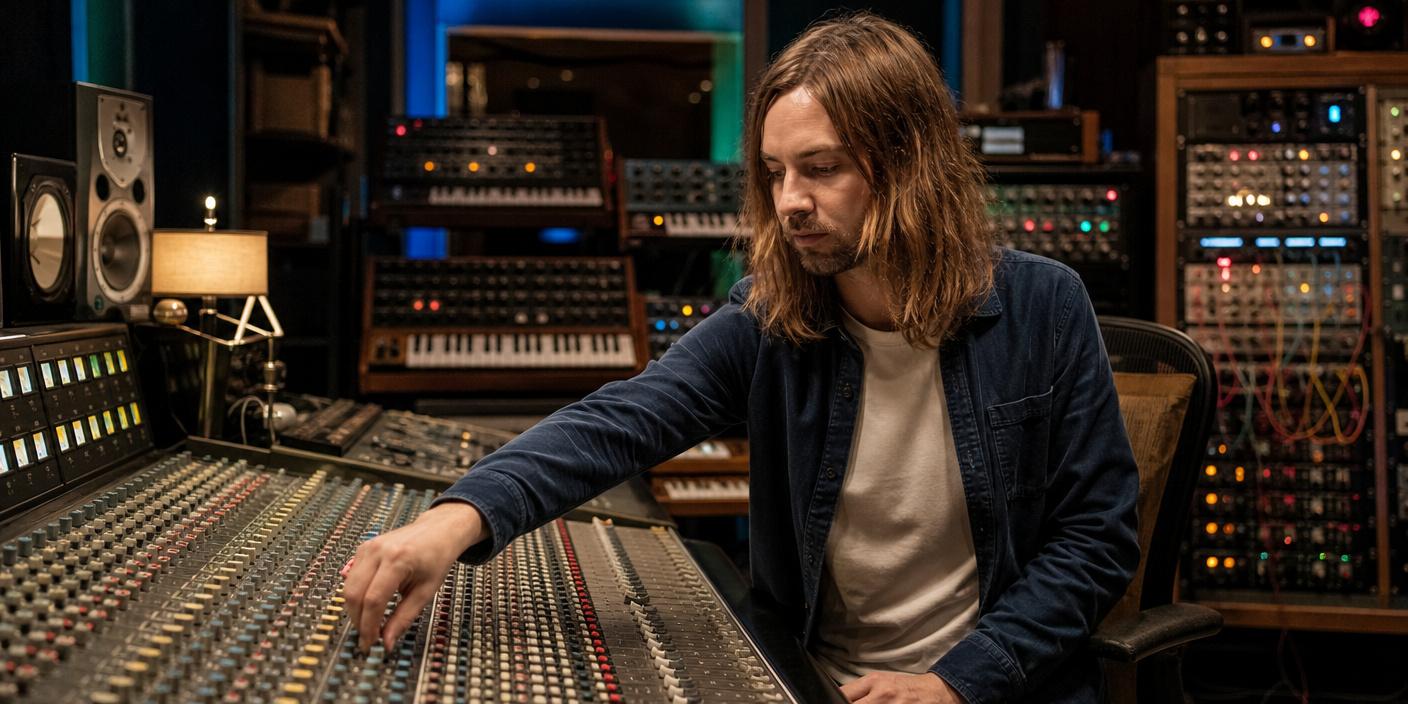
Kevin Parker, the creative force behind Tame Impala, has long been a darling of the alternative scene, but ‘Dracula’ bridges the gap between alternative-psych and pop-radio accessibility. By leveraging a soundscape that feels both nostalgic and futuristic, Parker has captured a wide-reaching audience. This #1 ranking is testament to the fact that mainstream radio audiences are increasingly open to non-traditional song structures, provided the hook is undeniable. The production value on ‘Dracula’—characterized by layered synthesizers, crisp drum machines, and Parker’s signature vocal processing—has become a masterclass in how to maintain artistic integrity while scaling for mass consumption.
Ariana Grande’s Resilience in the Streaming Age
While Tame Impala takes the top spot, the position of Ariana Grande’s ‘hate that i made you love me’ at #2 is equally noteworthy. In an era where artists often cycle through hits at an exhausting pace, Grande has maintained a consistent, high-level performance that few others can emulate. Her ability to pivot between emotive, slow-burn ballads and high-octane pop anthems ensures she remains an anchor of the American Top 40. This track specifically benefits from Grande’s vocal precision, which remains a technical benchmark for current pop music. Her placement in the top tier confirms that despite the volatility of the music industry in 2026, established star power, when paired with the right material, remains the safest bet for consistent airplay.
Dominic Fike and the Indie-Pop Crossover
Rounding out the top three is Dominic Fike with ‘Babydoll.’ Fike represents a new generation of artists who have successfully translated the ‘bedroom-pop’ aesthetic into a major-label, radio-ready product. ‘Babydoll’ is a quintessential example of this transition. Its viral potential, likely amplified by social media trends in the weeks preceding October 17, has been effectively channeled into traditional radio success. Fike’s presence in the top three is vital to understanding the current ecosystem: modern radio is no longer just about label investment; it is about artists who arrive at the radio station with a pre-built, digital-native fanbase.
Strategic Implications for Radio Programmers
The data from the week of October 17, 2026, poses significant questions for radio programmers and marketing executives. If the top three songs consist of a psychedelic-indie track, a traditional pop anthem, and a genre-bending bedroom-pop song, the ‘one-size-fits-all’ format of radio programming is becoming increasingly obsolete. Listeners are more discerning, and radio stations are responding by diversifying their playlists to include tracks that would have been dismissed as ‘too alternative’ only a few years ago.
FAQ: People Also Ask
Q: What is the most important factor in the success of ‘Dracula’ on the American Top 40?
A: The success of ‘Dracula’ is attributed to its unique combination of Tame Impala’s signature psychedelic sound design with a highly accessible pop-adjacent melody, allowing it to bridge the gap between alternative listeners and the general pop audience.
Q: How does the chart performance of Ariana Grande’s ‘hate that i made you love me’ compare to her previous hits?
A: It aligns with her historical consistency. While not a radical departure from her past successes, the track demonstrates her continued ability to maintain radio support and relevance in a highly competitive 2026 music market.
Q: Why is Dominic Fike’s ‘Babydoll’ significant for the industry?
A: Fike represents the successful transition of digital-native, genre-fluid artists into traditional radio success. His chart placement highlights the growing importance of social media momentum in determining radio play.
Q: How often is the American Top 40 chart updated?
A: The chart is calculated on a weekly basis, reflecting data from radio airplay, streaming numbers, and digital sales, providing a snapshot of the most popular music across the United States.