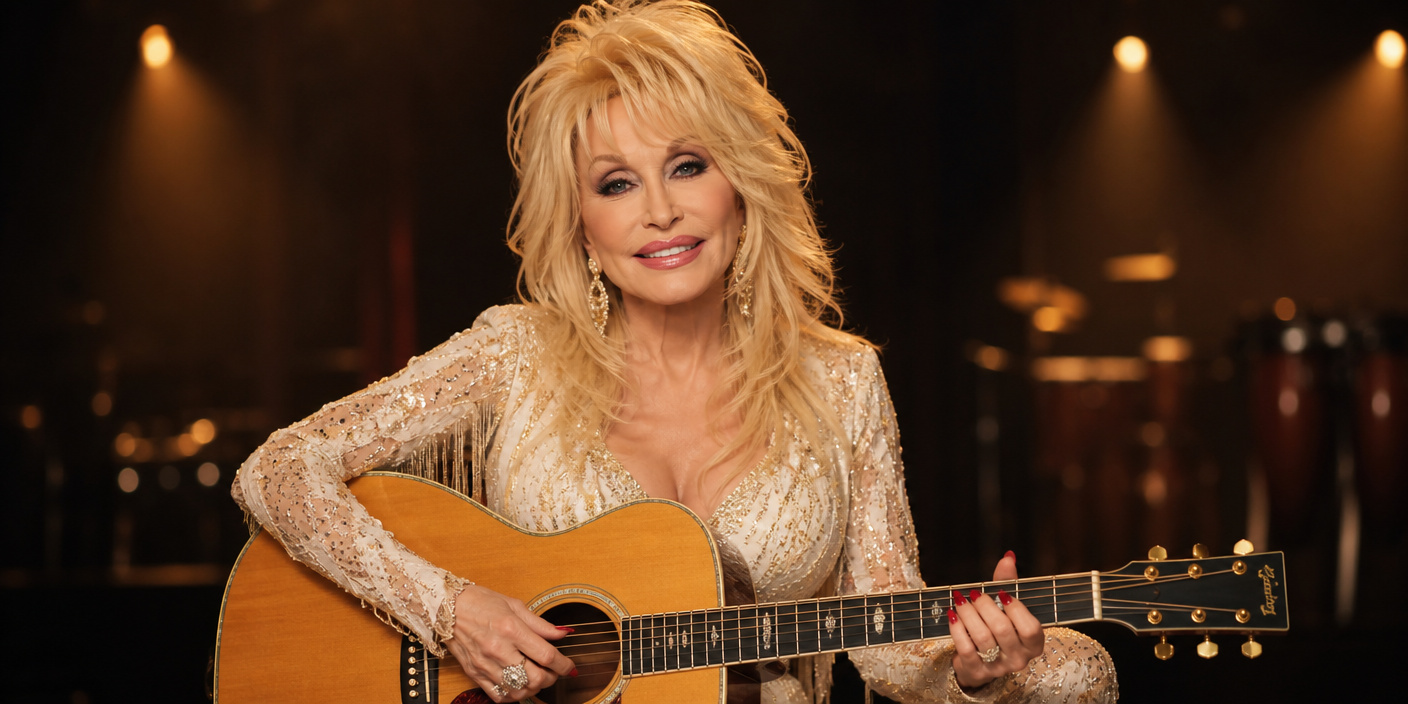
The world is in mourning today following the passing of Dolly Parton, the unparalleled songwriter, entertainer, and humanitarian who died at the age of 80. A towering figure in the music industry, Parton’s career spanned over six decades, cementing her status as one of the most significant cultural icons of the 20th and 21st centuries. From her humble beginnings in the Great Smoky Mountains to her status as a global phenomenon, Parton’s departure marks the end of a singular era in American music. The country music industry, alongside legions of fans worldwide, is remembering her not just for her chart-topping hits, but for her indomitable spirit, business acumen, and boundless generosity.
Key Highlights
- A Historic Career: Parton’s illustrious career included over 3,000 original songs, 25 RIAA-certified gold, platinum, and multi-platinum records, and 11 Grammy Award wins.
- Cultural Crossover: She successfully navigated the transition from traditional country to mainstream pop, earning her the affectionate title of the “Queen of Country” and becoming a crossover superstar in the 1970s and 80s.
- Philanthropic Giant: Beyond music, her legacy is defined by the Dollywood Foundation and the Imagination Library, which has gifted hundreds of millions of books to children worldwide.
- Iconic Songwriting: As the writer of classics like “I Will Always Love You,” “Jolene,” and “9 to 5,” Parton’s catalog remains among the most recorded and performed in music history.
The Parton Paradox: A Life of Melody, Grit, and Grace
To understand the magnitude of Dolly Parton’s passing, one must look beyond the rhinestones and the iconic bouffant hair. Born on January 19, 1946, in Sevierville, Tennessee, Parton was the fourth of twelve children. Her upbringing in a one-room cabin—famously memorialized in her hit “Coat of Many Colors”—provided the bedrock for a narrative voice that was both authentic and universally relatable. She did not just sing about country life; she encoded it into the DNA of popular culture.
The Architect of Modern Country-Pop
Parton’s ability to traverse genres was her greatest professional strength. While many of her contemporaries were restricted by the boundaries of Nashville’s traditionalism, Parton shattered them. In the 1970s, she made a deliberate, sometimes controversial, pivot to pop music, a move that alienated some purists but brought country storytelling to an international audience. Songs like “Here You Come Again” and “9 to 5” were not merely radio successes; they were pop culture touchstones that redefined what a country artist could achieve. She proved that one could maintain country credibility while dominating the pop charts, a blueprint that modern superstars like Taylor Swift and Shania Twain would later follow.
The Business of Being Dolly
Rarely mentioned with the same reverence as her songwriting, Parton’s business acumen was decades ahead of her time. She famously retained the publishing rights to her songs—a decision that paid off handsomely when Whitney Houston recorded “I Will Always Love You” for the film The Bodyguard. This single decision protected her financial independence and granted her the creative autonomy that many artists struggle to secure. She built an empire, encompassing the Dollywood theme park in Pigeon Forge, Tennessee, which transformed the regional economy of the Smokies, and the Dollywood Foundation, proving that a celebrity brand could be used as a vehicle for sustainable social change.
The Imagination Library: A Global Classroom
If music was her art, then the Imagination Library was her mission. Launched in 1995, the program began as an effort to foster a love of reading among the children of Sevier County. It blossomed into a global initiative, delivering free, high-quality, age-appropriate books to children regardless of their family’s income. This endeavor cemented her reputation not just as a singer, but as a cultural matriarch. In her final interviews, Parton frequently noted that the books her program provided were the proudest achievement of her life, far eclipsing any gold record or award trophy.
Historical Context and Future Impact
As the industry processes the loss, we are looking at the potential future of her vast catalog and philanthropic ventures. Parton’s death leaves a void in the country music hierarchy that is arguably unfillable. She was the last of the “Great Generation” of country singers who transitioned into true, singular celebrity icons. Her legacy will likely be preserved through the strict management of her publishing company, Velvet Apple Music, and the continued operation of her various charitable trusts. Analysts predict a massive surge in streaming revenue and catalog value, consistent with the patterns seen following the passing of other legends like David Bowie or Prince. However, unlike many estate-managed legacies, Parton’s “brand” was rooted in personal warmth and public accessibility, traits that are notoriously difficult to maintain in a posthumous context.
FAQ: People Also Ask
Q: What is the official cause of death for Dolly Parton?
A: While specific medical details have not been released by the family, representatives confirmed her peaceful passing at the age of 80.
Q: How many songs did Dolly Parton write in her lifetime?
A: Parton wrote an estimated 3,000 songs, many of which became standards in both the country and pop genres, including “Jolene” and “I Will Always Love You.”
Q: What will happen to the Imagination Library?
A: The Dollywood Foundation has confirmed that the Imagination Library will continue its operations, as it is structured as a non-profit entity with established funding streams that will persist beyond Parton’s lifetime.
Q: Where can fans pay their respects?
A: Official statements from the Parton estate suggest that public memorials will be planned in Nashville and at Dollywood, with details to be shared on her official channels in the coming days.