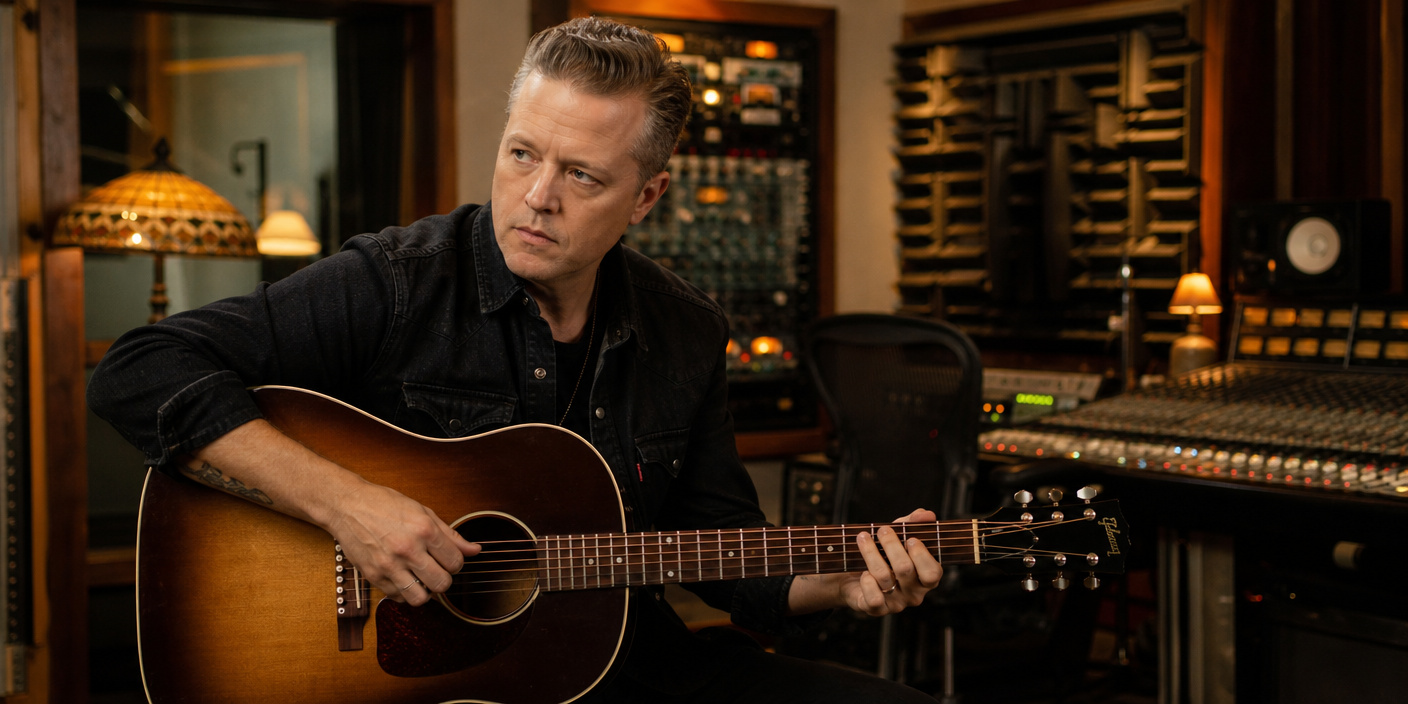
In a decisive moment for the future of the music industry, Grammy-winning singer-songwriter Jason Isbell has officially initiated legal proceedings against Suno, a prominent generative AI music platform. This lawsuit centers on allegations that Suno has systematically utilized copyrighted musical works and the unique identities of artists to train its artificial intelligence models without consent, credit, or compensation. As generative AI continues to blur the lines between human inspiration and machine-generated mimicry, Isbell’s legal challenge acts as a defining moment in the broader struggle to establish intellectual property boundaries in the digital age.
The Core Allegation: Identity and Integrity
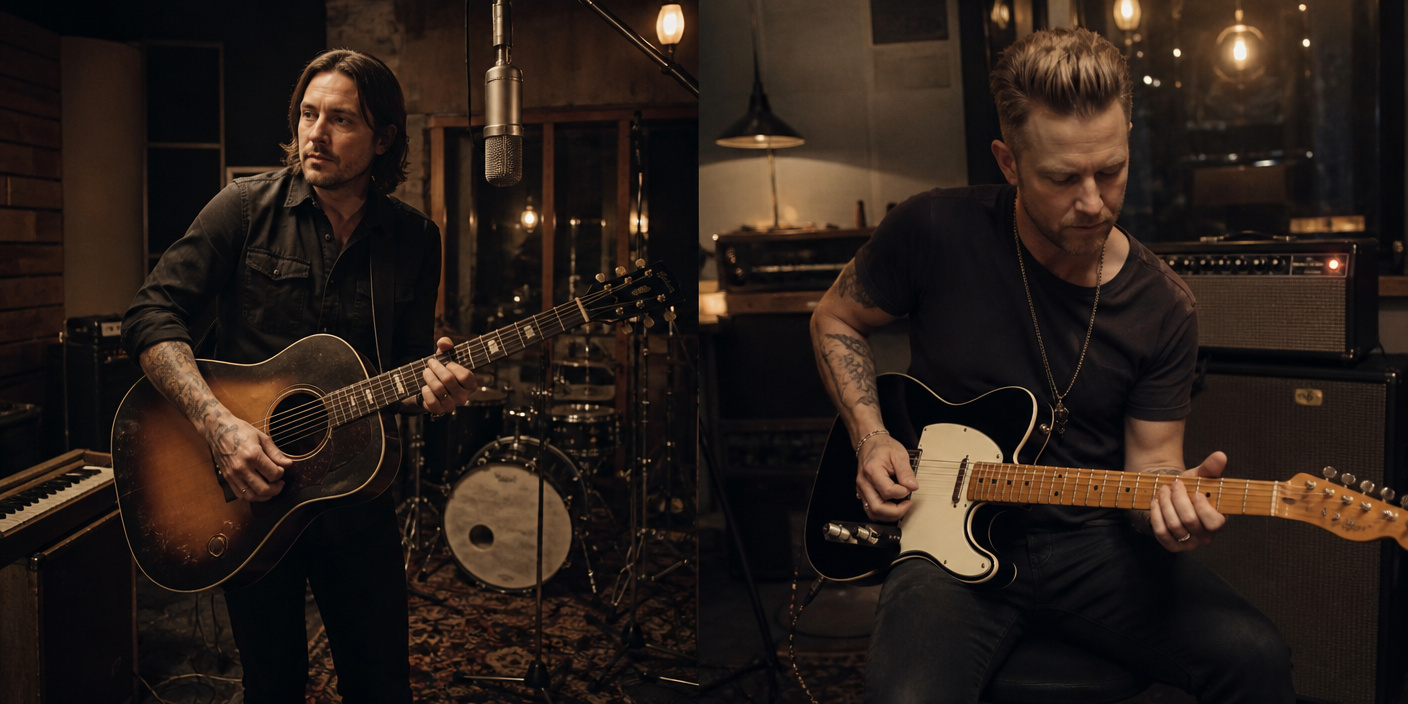
The central premise of Isbell’s filing is the concept of unauthorized appropriation. For an artist like Isbell—whose career is built upon the authenticity of his storytelling, distinct lyrical voice, and specific acoustic craftsmanship—the stakes go far beyond financial royalties. The lawsuit contends that Suno’s large-scale ingestion of protected musical data is not merely a technical process of ‘learning,’ but a predatory extraction of human creative output. By training its algorithms on millions of songs without obtaining rights, Suno is accused of creating a market-ready tool that directly competes with the very artists whose work it scraped. This is framed as a fundamental violation of the right of publicity and copyright protections, effectively allowing the AI to ‘sound’ like the songwriter in question, which risks diluting the value of the original artist’s brand and output.
The Legal Landscape: Training Data vs. Fair Use
At the heart of this legal dispute is the interpretation of the ‘Fair Use’ doctrine. Suno, like many generative AI developers, operates under the assumption that scraping vast datasets to train neural networks constitutes transformative use, which is protected under current copyright laws. However, Isbell’s legal team, in alignment with a growing coalition of industry stakeholders, argues that the output of these models is not transformative enough to excuse the original violation.
If the courts side with the plaintiffs, it could force a massive restructuring of how AI companies acquire training data. It would essentially mandate a ‘license-first’ approach, where developers must pay into a pool for the rights to use music in training sets. If the courts side with Suno, it could set a dangerous precedent, potentially signaling that human-made art is free game for high-tech commodification. This case is being watched closely by the Recording Industry Association of America (RIAA) and international copyright bodies, as it could become the ‘Napster moment’ for the AI era, forcing the technology to reconcile with established intellectual property laws.
Economic Displacement and the Future of Songwriting
The economic impact of this technology is immediate and tangible. When a platform can generate a country song, a folk ballad, or an Americana track in the style of Jason Isbell in seconds, the accessibility of music production changes. While this might seem democratizing to tech enthusiasts, for professional songwriters, it represents a potential devaluation of their craft. If consumers can generate ‘good enough’ alternatives at a fraction of the cost or effort, the demand for human composition may shrink, leading to a precipitous decline in sustainable careers for mid-level and working-class musicians.
Furthermore, there is the issue of identity erosion. When an AI produces music that listeners believe is by a specific artist, but is actually a machine-generated fabrication, it harms the artist’s reputation and their relationship with fans. This case highlights a desperate need for transparency—specifically, a legal framework that requires AI companies to label generated content and obtain explicit consent before mimicking specific human personas or styles.
Secondary Angles: A Shift in Creative Philosophy
1. The Rise of ‘Human-Certified’ Music: As AI-generated content floods streaming platforms, we may see the emergence of a premium market for ‘Human-Made’ certified music. This could become a badge of honor, similar to ‘organic’ or ‘fair trade’ labels in the food industry, helping artists protect their brand value.
2. The Technological Arms Race: The lawsuit also exposes the rapid velocity of AI development. Often, software platforms prioritize shipping features and expanding capabilities over legal compliance. Isbell’s lawsuit serves as a friction point, slowing down the ‘move fast and break things’ culture and demanding that it pivots toward a ‘move responsibly and respect ownership’ framework.
3. Precedent for Other Creative Sectors: While this suit focuses on music, its outcome will have seismic ripples for writers, actors, and visual artists. If a music platform can be sued for using songs without consent, it opens the door for similar class-action lawsuits across the creative spectrum, potentially creating a unified front for artists against big tech.
As the litigation progresses, the industry will be watching to see if Suno can provide a defense that holds up under scrutiny. For now, Jason Isbell’s lawsuit stands as a marker in the sand, representing a refusal to let the human element of art be subsumed by algorithmic mimicry. It is a fight for the future of creative labor, ensuring that technology serves the artist, rather than replacing them.