UK Music Tourism Peaks: A £11.2 Billion Boom Fueled by Global Superstars
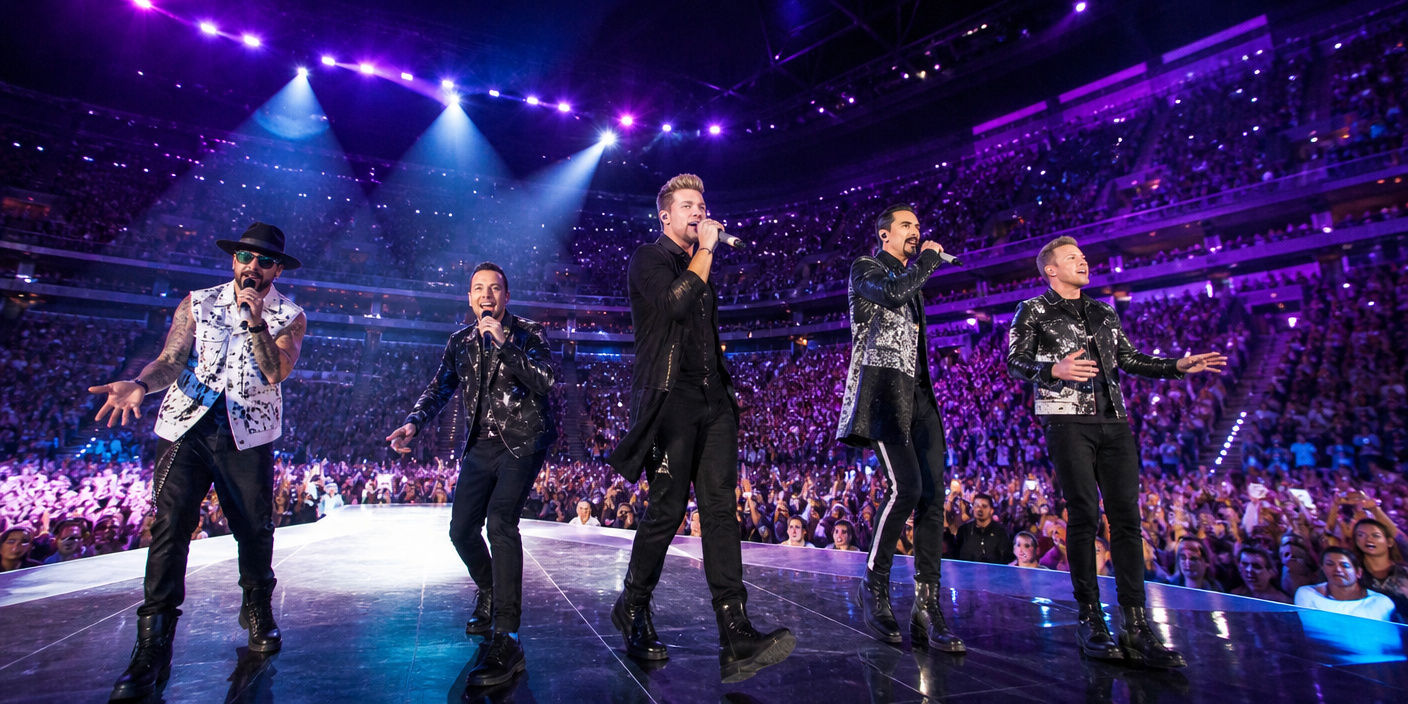
The United Kingdom’s live music sector has achieved an unprecedented financial milestone in 2025, with music tourism revenue soaring to an all-time high of £11.2 billion. This remarkable achievement is the culmination of a 4.8% year-on-year increase in music tourist attendance, welcoming a record 24.7 million visitors to concerts and festivals across the country. A significant driving force behind this surge was a substantial 26.8% rise in overseas music tourists, accounting for 2.1 million international visitors who contributed significantly to the UK’s coffers. Global music powerhouses like Oasis, whose ‘Live ’25 Tour’ dominated headlines with sold-out stadium shows, alongside electrifying performances by Beyoncé and Dua Lipa, were instrumental in attracting this wave of international and domestic fans. This robust performance highlights the resilience and economic might of the UK’s music industry, even in the face of challenges such as notable festival cancellations in previous years.
The Economic Powerhouse of Live Music
The £11.2 billion generated by music tourism in 2025 is not merely a revenue figure; it represents a vital economic engine supporting numerous jobs and related industries. The live music sector alone provided employment for 74,000 individuals on a full-time equivalent basis. This economic impact extends beyond ticket sales, encompassing hospitality, travel, accommodation, and local economies that benefit directly from the influx of fans. The sustained high level of spending demonstrates that live music remains a critical component of the UK’s cultural and economic landscape, drawing significant investment and contributing to the nation’s GDP. The ability of artists and event organizers to draw such large crowds, especially international ones, underscores the UK’s status as a premier global destination for music experiences.
Superstar Impact: Oasis, Beyoncé, and Dua Lipa’s Role
The immense draw of globally recognized artists cannot be overstated when analyzing the 2025 music tourism figures. Oasis’s highly anticipated ‘Live ’25 Tour’ was a cornerstone of this success, with its stadium-filling performances becoming a significant draw for both domestic and international fans. The tour’s sell-out status is a testament to the band’s enduring appeal and their ability to generate considerable economic activity. Similarly, the highly publicized tours of Beyoncé and Dua Lipa provided substantial boosts to music tourism, attracting diverse fan bases and contributing to the overall record-breaking spending. These artists, through their extensive global reach and dedicated fan followings, are not just entertainers but powerful economic catalysts for the UK’s tourism sector. Their tours create a ripple effect, encouraging fans to extend their stays, explore more of the country, and spend more money, further solidifying the link between major music acts and economic prosperity.
Navigating Challenges: Festival Resilience Amidst Cancellations
While 2025 marked a triumphant year for music tourism spending, it’s important to acknowledge the context of recent challenges. Both 2024 and 2025 saw a notable number of music festivals cancelled due to various factors, including rising operational costs, logistical hurdles, and adverse weather conditions in some instances. Despite these setbacks at the festival circuit level, the overall surge in spending and visitor numbers indicates a strong underlying demand for live music experiences. The success of large-scale tours, in particular, demonstrates the sector’s adaptability and the enduring appeal of major musical events. This resilience suggests that the industry is capable of overcoming localized challenges and continuing to deliver significant economic and cultural value. The focus on major tours may also reflect a strategic shift or a response to the increased risks associated with large, multi-day festivals in the current climate.
Future Outlook: Sustaining the Momentum
The record-breaking figures for 2025 provide a strong foundation for the future of UK music tourism. The sustained high spending and visitor numbers indicate a healthy appetite for live music, both domestically and internationally. To maintain this momentum, industry stakeholders will likely focus on continuing to attract major global artists, supporting a diverse range of events from large stadium tours to boutique festivals, and enhancing the overall visitor experience. Investment in infrastructure, streamlined ticketing processes, and innovative marketing campaigns will be crucial. Furthermore, understanding and catering to the evolving preferences of music tourists, including the growing interest in unique and immersive experiences, will be key to ensuring long-term growth. The economic impact of music tourism is undeniable, and its continued success will rely on strategic planning and a commitment to fostering a vibrant and accessible live music scene.
FAQ: People Also Ask
What was the total spending by music tourists in the UK in 2025?
Music tourists spent a record-breaking £11.2 billion across the UK in 2025.
How much did overseas music tourists increase in 2025?
Overseas music tourists saw a significant increase of 26.8% in 2025.
Which artists were highlighted for boosting UK music tourism in 2025?
Oasis, Beyoncé, and Dua Lipa were specifically mentioned as artists whose tours helped attract a large number of visitors.
How many people attended music events as tourists in the UK in 2025?
A record 24.7 million music tourists attended concerts and festivals in the UK in 2025.
What was the impact of music tourism on employment in the UK?
Music tourism supported 74,000 full-time equivalent jobs in the live music sector in 2025.