Swift Cleared in Lyric Copyright Dispute
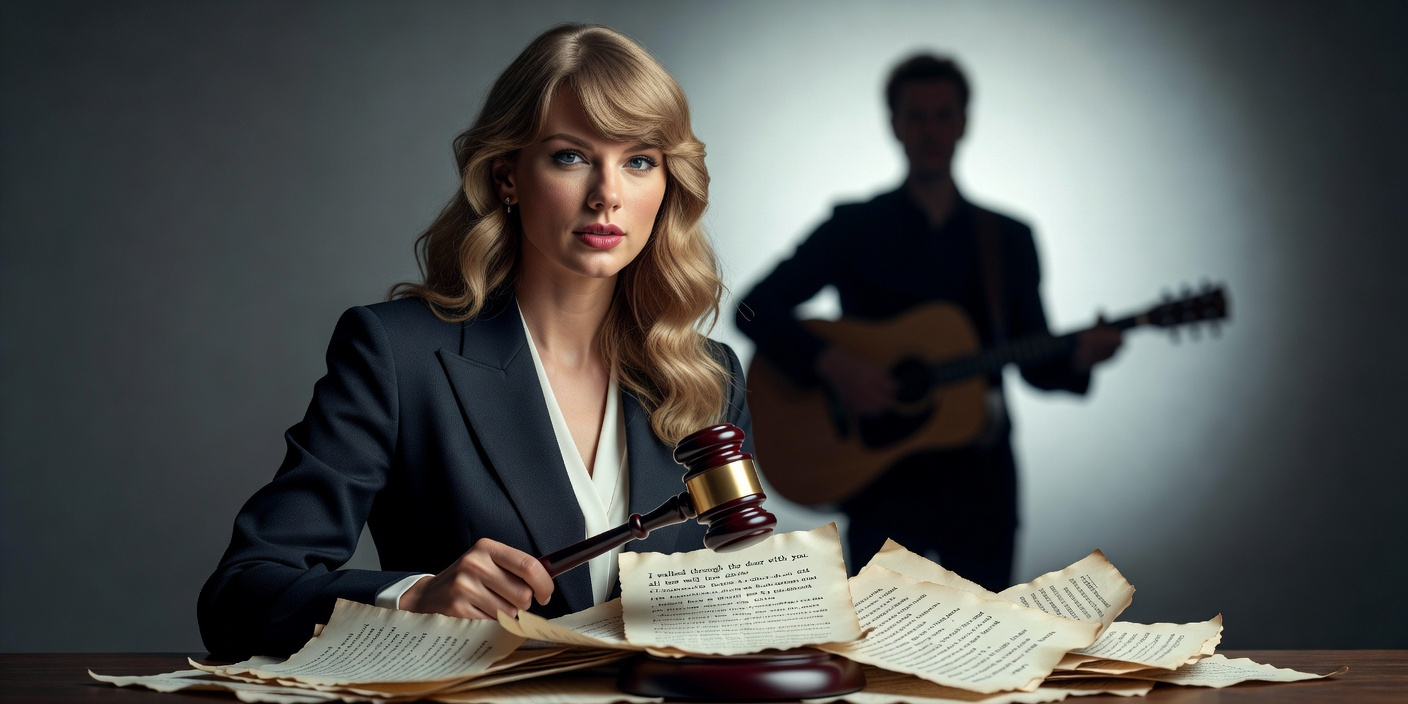
A federal judge has definitively dismissed a copyright infringement lawsuit leveled against global music phenomenon Taylor Swift. The critical ruling, handed down on July 6, 2026, by U.S. District Judge Aileen Cannon, effectively terminates the legal action initiated by a poet who alleged that Swift’s popular lyrics had unlawfully appropriated their original work. Judge Cannon’s decision hinged on the principle that common metaphors and short, widely used phrases lack the originality required for copyright protection, thereby negating the poet’s claims.
Key Highlights
- Taylor Swift has successfully defended against a copyright infringement lawsuit.
- The lawsuit was dismissed by Judge Aileen Cannon on July 6, 2026.
- The court found that common metaphors and short phrases are not copyrightable.
- The ruling clears Swift of all allegations concerning lyrical appropriation.
- The case highlights the boundaries of copyright protection for creative expression.
Legal Precedent Set: Copyrightability of Common Phrases
The legal battle centered on the poet’s assertion that Swift’s songwriting had infringed upon their copyright. However, Judge Cannon’s comprehensive order provided a clear delineation of what constitutes protectable creative expression. The court’s reasoning emphasized that widely recognized metaphors and common, short lyrical phrases, such as those alleged in the suit, do not meet the threshold for originality that copyright law is designed to protect. This interpretation is crucial for songwriters and artists, establishing a precedent that prevents claims based on the use of ubiquitous literary devices or common linguistic building blocks. The implications of this ruling extend beyond Swift, potentially impacting future copyright disputes within the music and literary industries by reinforcing that unoriginal elements cannot be monopolized.
The Nuances of Copyright Law in Songwriting
Copyright law is intended to protect the original expression of an idea, not the idea itself, nor common methods of expressing it. In the context of songwriting, this distinction is paramount. Phrases that have become part of the cultural lexicon or are frequently employed metaphors, even if they appear in a song, are generally considered to be in the public domain for the purpose of creative inspiration. The poet’s claim against Swift tested the boundaries of this principle. Judge Cannon’s decision underscores that while artistic arrangements of words can be protected, the fundamental components of language and common figurative speech are available for all creators to use. This ensures a vibrant and dynamic creative landscape where artists can draw inspiration from shared cultural elements without fear of frivolous litigation.
Broader Impact on the Music Industry
The dismissal of this lawsuit carries significant weight for the music industry. It provides a degree of legal certainty for artists and songwriters, reducing the potential for litigation based on the use of common lyrical devices. The ability to draw upon a shared pool of metaphors and common phrases is essential for the creative process, allowing for the development of songs that resonate with broad audiences. This ruling is likely to be viewed as a victory for creative freedom, reinforcing the idea that inspiration is a vital part of artistry and that not every similarity constitutes infringement. Industry professionals will likely take note of this case as it clarifies the often-complex interplay between inspiration, common usage, and legal protection in musical composition.
Examining Judge Aileen Cannon’s Role
Judge Aileen Cannon, presiding over the U.S. District Court for the Southern District of Florida, has once again been at the center of a high-profile legal decision. Her ruling in the Taylor Swift copyright case reinforces a consistent judicial approach to intellectual property disputes, emphasizing the need for a clear distinction between protected original works and unprotectable elements. The judge’s meticulous analysis of the lyrical content and applicable copyright standards has been central to the case’s resolution. This decision adds another layer to her judicial record, particularly in cases involving significant public figures and complex legal arguments surrounding creative expression.
FAQ: People Also Ask
What was the core reason for dismissing the lawsuit against Taylor Swift?
The lawsuit was dismissed because Judge Aileen Cannon ruled that the lyrical elements in question, described as common metaphors and short phrases, do not meet the legal standard for copyright protection due to a lack of originality.
When was the judge’s decision made?
The judge’s decision to dismiss the copyright lawsuit was made on July 6, 2026.
Who is the judge that presided over the case?
Judge Aileen Cannon, of the U.S. District Court for the Southern District of Florida, presided over the copyright lawsuit against Taylor Swift.
Does this ruling mean any lyrics can be used freely?
No, the ruling specifically applies to common metaphors and short phrases that lack originality. It does not negate copyright protection for unique, original lyrical compositions or creative arrangements of words.
What are the implications for other musicians and songwriters?
This ruling provides clarity by reinforcing that common lyrical devices and metaphors are not protectable under copyright, which could reduce the risk of litigation for artists using such elements in their work.