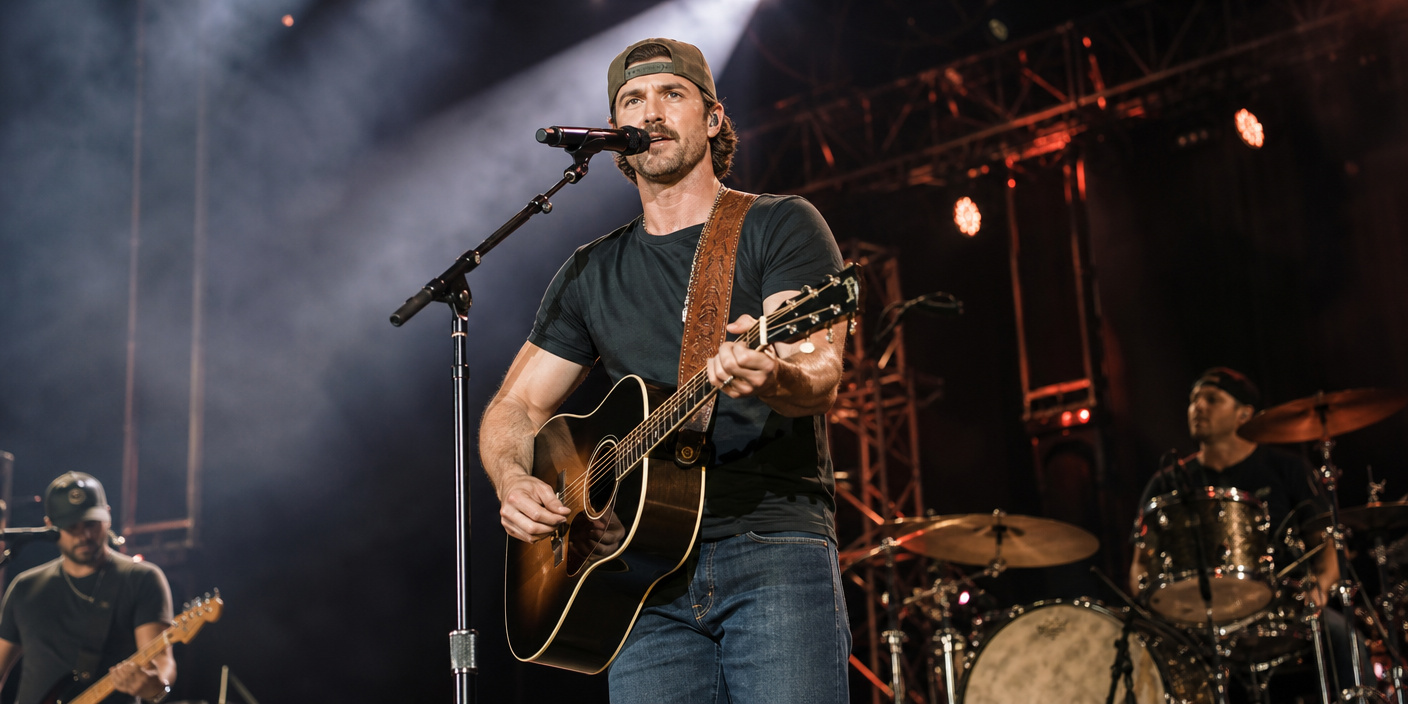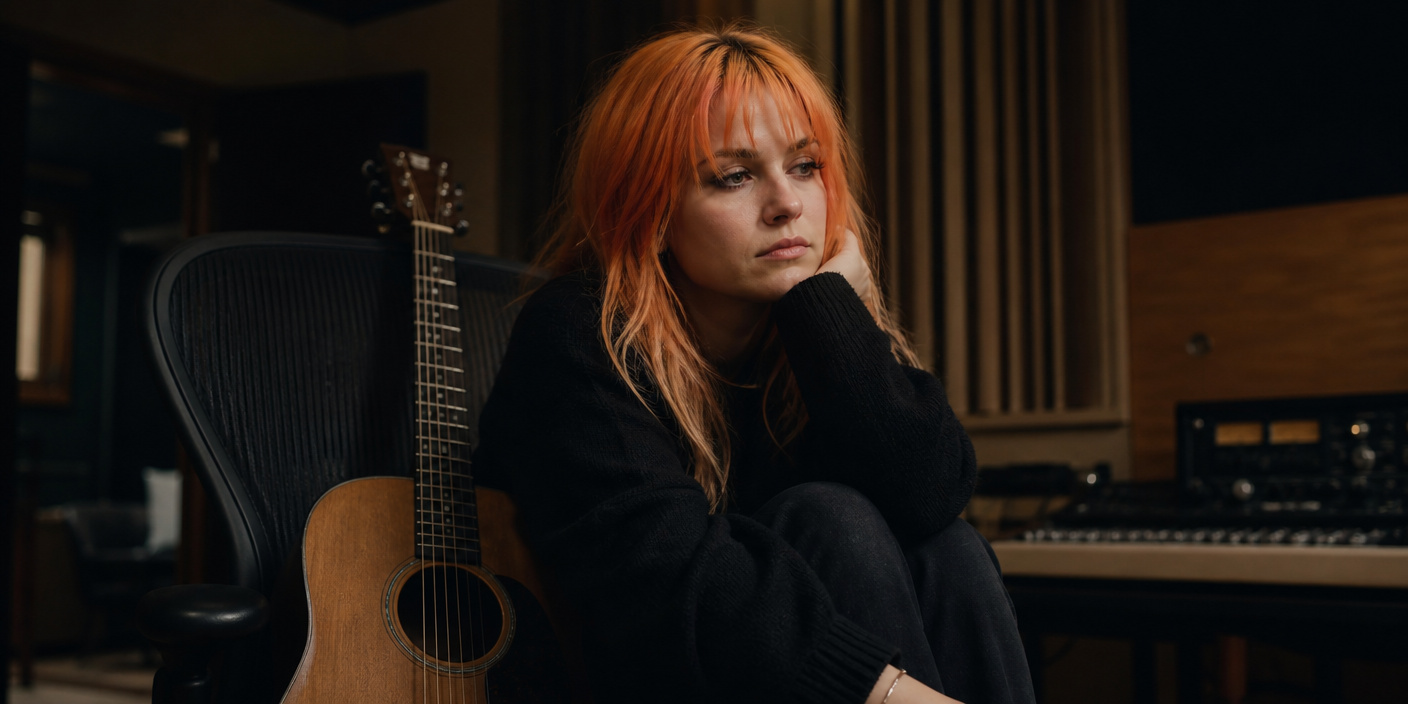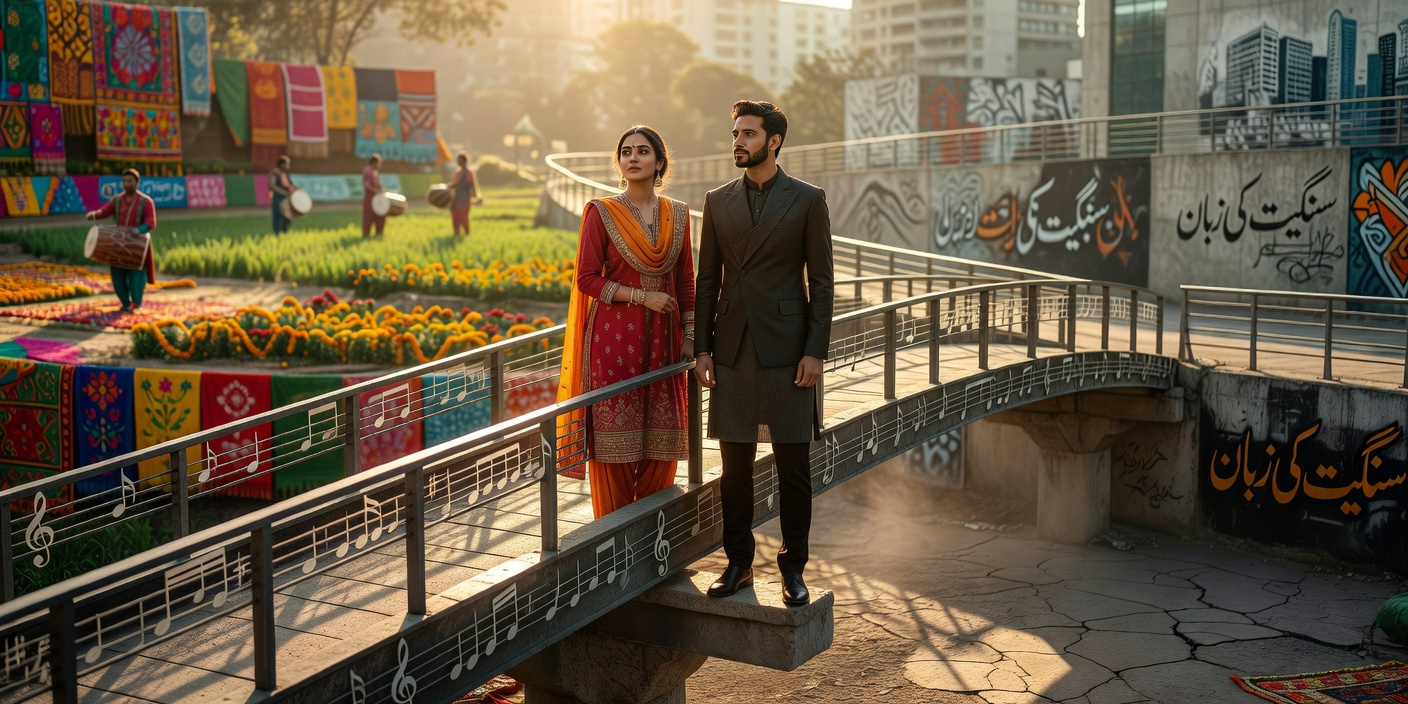
Indian singer Talwiinder is facing significant backlash and criticism following his collaboration with Pakistani artist Hasan Raheem. The joint musical project has ignited a firestorm online, drawing sharp reactions from a segment of the audience who view the collaboration through a political lens.
Key Highlights:
- Punjabi singer Talwiinder released a song featuring Pakistani artist Hasan Raheem.
- The collaboration has triggered strong negative reactions and online criticism.
- Critics cite the political tensions between India and Pakistan as a reason for their disapproval.
- Supporters defend artistic freedom and cultural exchange.
Artistic Exchange Amidst Political Tensions
The recent release of a song by Punjabi singer Talwiinder featuring Pakistani artist Hasan Raheem has become a focal point of intense debate and criticism. The collaboration, intended as a musical venture, has inadvertently tapped into the complex and often fraught relationship between India and Pakistan. While many celebrate the merging of talents and the potential for cross-border cultural exchange, a significant portion of the audience has voiced strong disapproval.
The Political Undercurrent
The criticism stems primarily from the prevailing political climate between India and Pakistan. Due to ongoing geopolitical tensions, there is a segment of the Indian public that views any artistic or cultural collaboration with Pakistani artists with suspicion or outright hostility. This perspective often emphasizes nationalistic sentiments and perceives such collaborations as insensitive or even undermining to national interests. Social media platforms have been inundated with comments ranging from calls for boycotts to direct condemnation of Talwiinder for his choice of collaborator.
Defense of Artistic Freedom
Conversely, the collaboration has also found staunch defenders who advocate for artistic freedom and the power of music to transcend political boundaries. Proponents argue that art should not be dictated by political divides and that musicians should be free to collaborate with artists from any background. They highlight the shared cultural heritage and linguistic ties that bind artists and audiences in the Punjab region, irrespective of national borders. This viewpoint emphasizes music’s role as a unifier and a platform for dialogue and mutual understanding.
Impact on Artists’ Careers
The controversy inevitably raises questions about the potential impact on the careers of both Talwiinder and Hasan Raheem. While such backlash can alienate a portion of their fanbase, it can also generate significant buzz and potentially attract a new audience. The narrative surrounding the collaboration – whether it is framed as a brave act of artistic defiance or a politically insensitive move – will likely shape public perception and future opportunities for the artists involved.
Precedents and Cultural Exchange
This is not the first time that artists from India and Pakistan have collaborated, nor the first time such collaborations have faced scrutiny. Historically, there have been numerous instances of successful joint ventures in film, music, and television, often fostering goodwill and cultural appreciation. However, the intensity of nationalist sentiments can fluctuate, making the reception of such projects unpredictable. The current climate appears to be particularly sensitive, amplifying the reactions to this particular musical release.
FAQ: People Also Ask
What is the controversy surrounding Talwiinder and Hasan Raheem’s collaboration?
Talwiinder, an Indian singer, has faced backlash for releasing a song with Pakistani artist Hasan Raheem, primarily due to the ongoing political tensions between India and Pakistan, which some fans perceive as insensitive.
Why are some people against collaborations between Indian and Pakistani artists?
Criticism often arises from nationalist sentiments and political sensitivities, where any collaboration is viewed as overlooking or disrespecting the strained diplomatic and political relations between the two countries.
What are the arguments in favor of such collaborations?
Supporters emphasize artistic freedom, the unifying power of music, and the shared cultural heritage that artists and audiences across the border often possess. They believe art should transcend political boundaries.
Has this happened before with Indian and Pakistani artists?
Yes, there have been several successful collaborations between artists from India and Pakistan in the past across various entertainment industries, though their reception can vary depending on the political climate.
What is the potential impact on the artists’ careers?
The controversy could alienate some fans but also generate significant attention, potentially leading to new opportunities or impacting their fan base and public image depending on how the narrative evolves.