The sound of incarceration has long been relegated to whispers, field recordings, or the occasional blues standard. Today, that silence is being broken by a new, ambitious initiative. Redemption Songs, a limited-run digital project from The Marshall Project, is shining a long-overdue spotlight on music created in American prisons, turning a historical page on the complex relationship between art, confinement, and the American justice system.
By elevating songs that were recorded behind prison walls over the last century, the project is doing more than just archiving audio; it is creating a sensory map of mass incarceration. From the grit of 1940s field recordings to contemporary rap and soul tracks, these compositions serve as a poignant, haunting, and vital historical record of the millions of lives shaped by the U.S. carceral state.
Key Highlights
Unveiling the Archives: The Redemption Songs* project spotlights one song each week, documenting music created by incarcerated individuals spanning nearly a century.
- The Humanizing Lens: By focusing on artistic output, the project challenges the dehumanizing stereotypes often associated with those in the correctional system, providing a platform for personal expression.
- Historical Breadth: The collection includes everything from rare Texas prison rodeo records of the mid-20th century to modern, DIY tracks produced behind bars.
- Rehabilitative Power: Experts highlight how creative outlets provide essential psychological relief and a sense of agency to inmates living in environments of rigid control.
The Sound of Incarceration: A Digital Archive of Resistance
For decades, the cultural output of American prisons was largely inaccessible to the general public—often restricted to souvenirs sold at prison rodeos or forgotten analog tapes in basement archives. The Redemption Songs project seeks to centralize this scattered legacy. By curating a weekly release of songs, the initiative forces a confrontation with the reality that incarceration does not strip an individual of their creativity. Instead, it often intensifies it, turning the act of writing, rapping, or playing an instrument into a vital mechanism for survival.
The Logistics of Art Under Lock and Key
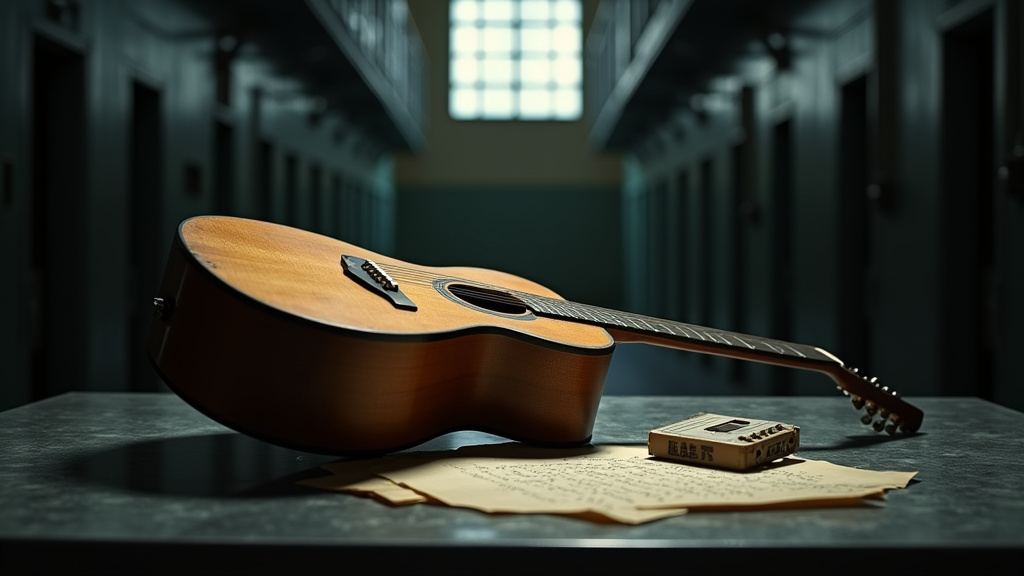
Creating music inside a correctional facility is an act of sheer persistence. The logistical hurdles are staggering: lack of instruments, limited access to recording technology, and the overwhelming noise and stress of prison life. Historically, inmates have had to rely on whatever meager tools were available—turning bunk beds into percussion surfaces or using contraband recording devices to capture a melody.
Recent years have seen a shift as organizations and activists have stepped in to bridge the gap. The Marshall Project’s reporting notes that projects like these are not just about the final track; they are about the process. It is about the ability of an incarcerated person to say, “I was here, and this is what I felt.” When you hear the off-kilter rhythm of a guitar played by hands that have weathered decades of imprisonment, you are not just hearing a song; you are hearing the physical manifestation of time passing behind bars.
Psychological Resonance and Rehabilitation
Beyond the historical value, the project underscores the therapeutic potential of music. Multiple studies and programs, such as those facilitated by visiting musicologists and non-profits, have shown that music education and participation inside prisons correlate with lower recidivism rates and improved mental health.
For many, music is the only space where they can exercise freedom of thought. In a world of concrete and surveillance, a song is portable. It requires no permission to be thought of, and it can be carried across the imaginary lines that separate the inside from the outside world. This initiative serves as a bridge, allowing the public to empathize with the struggles, regret, and, occasionally, the hope expressed by those who have been marginalized by the legal system.
A Mirror to Society
What makes Redemption Songs particularly compelling is its refusal to shy away from the darker themes of prison life. The songs are not always polished, and they are not always ‘happy.’ They are, however, always honest. They speak to the anxiety of return—the fear that the world outside has moved on—and the deep, gnawing loneliness of a life interrupted. By cataloging these voices, the project forces society to reconcile with the humanity of the individuals it has decided to isolate. It asks a difficult question: What are we losing when we refuse to listen to these voices? As the project progresses, it promises to be one of the most important cultural documents of the decade, a living, breathing library of the American carceral experience.
FAQ: People Also Ask
What is the primary goal of the ‘Redemption Songs’ project?
The project aims to archive and share music created by incarcerated people over the last century to humanize the experience of mass incarceration and provide a historical record of prison culture.
How can the public access these recordings?
Redemption Songs is presented as a limited-run newsletter by The Marshall Project. Interested listeners can sign up on their official website to receive one song per week directly in their inbox, along with contextual reporting on the song’s origins.
Is this the first project of its kind?
While there have been previous efforts—such as the Prison Music Project founded by Zoe Boekbinder and collaborations involving artists like Ani DiFranco—the current initiative is distinct in its scope, aiming to archive recordings from as far back as the 1930s and 40s alongside contemporary works.
Does this project support the artists?
Yes, these initiatives generally seek to support incarcerated and formerly incarcerated musicians. By providing a platform for their work, they help amplify the voices of artists who are often excluded from the mainstream music industry due to their legal status.