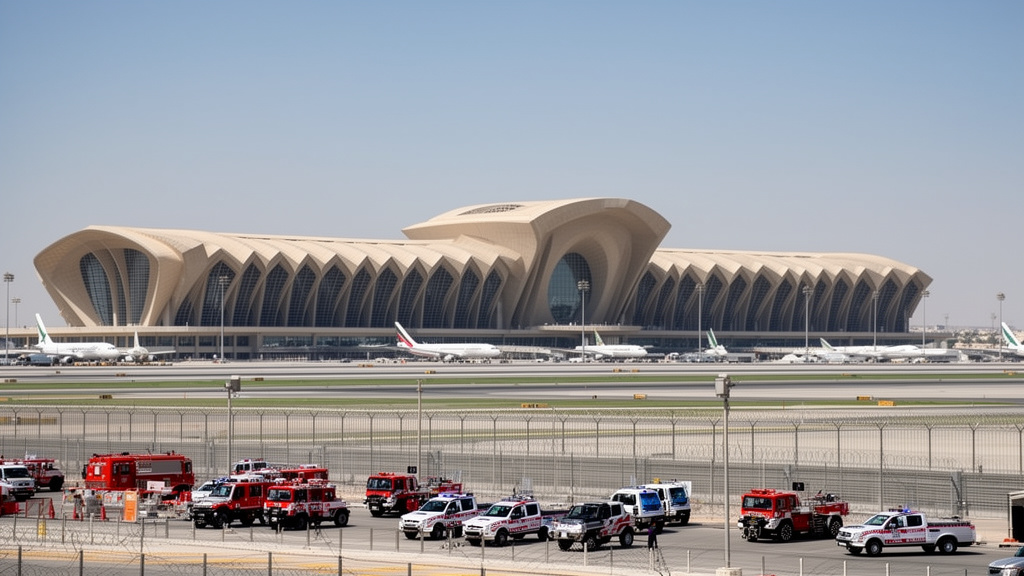
The diplomatic landscape in South Asia has intensified rapidly as President Donald Trump announced that a U.S. delegation is arriving in Islamabad, Pakistan, for a critical round of negotiations aimed at ending the ongoing conflict with Iran. This latest development comes just days before the scheduled expiration of a two-week ceasefire, which has served as a tenuous pause in hostilities that escalated significantly following U.S. and Israeli strikes on February 28. With the ceasefire set to end on Wednesday, April 22, 2026, the global community is watching the Pakistani capital as the venue for what many analysts are labeling “last chance” diplomacy.
The Islamabad Diplomatic Initiative
The decision to host the talks in Islamabad underscores Pakistan’s evolving role as a key regional mediator. The first round of face-to-face negotiations, which took place earlier this month, concluded without a breakthrough, though they successfully prevented a complete collapse of communication. The U.S. delegation, reportedly including key advisors such as Steve Witkoff and Jared Kushner, is tasked with bridging the significant divide between Washington and Tehran. While the White House has expressed optimism about reaching an agreement, the atmosphere surrounding the arrival of the U.S. team is markedly different from previous diplomatic engagements, largely due to President Trump’s recent, highly public rhetoric regarding the consequences of failure.
The Ultimatum and the Infrastructure Threat
President Trump’s recent statements on his social media platform, Truth Social, have introduced an unprecedented level of urgency—and volatility—to the negotiation table. In a message directed at Iranian leadership, the President declared that Washington was offering a “fair and reasonable” deal, while simultaneously warning of catastrophic consequences should Tehran reject the terms. Specifically, Trump threatened that the United States would move to neutralize every major power plant and bridge within Iran. This rhetoric represents a shift toward a more aggressive, zero-sum ultimatum strategy, putting immense pressure on Iranian negotiators to weigh the economic and survival costs of continued resistance against the stringent demands of the U.S. proposal. The threat is not merely rhetorical; in the context of the ongoing naval blockade in the Strait of Hormuz, such warnings are being interpreted by defense analysts as a signal that the U.S. is prepared to escalate from economic containment to kinetic, strategic strikes if the diplomatic track fails to yield immediate results.
Geopolitical Standoff in the Strait of Hormuz
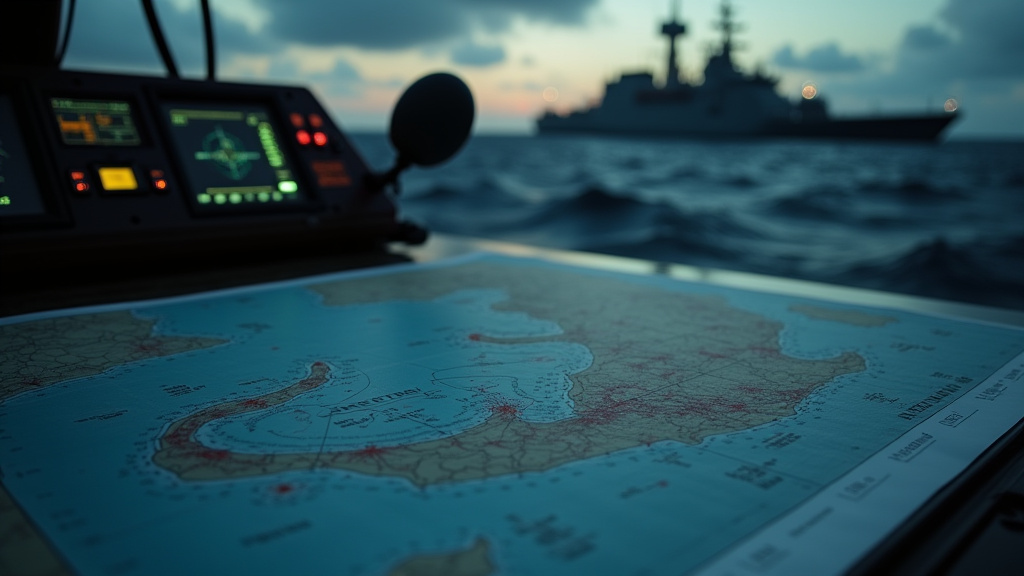
The central friction point remains the closure of the Strait of Hormuz. Iran’s policy of restricting transit through this critical waterway, implemented in response to the U.S. naval blockade, has crippled regional shipping and spiked global energy concerns. Tehran has maintained that the blockade must be lifted as a precondition for any meaningful progress, a stance that has created a significant impasse. On the other side, Washington argues that the blockade is a defensive measure required to curb Iranian aggression and nuclear ambitions. The deadlock has turned the Strait into a focal point of the conflict, with both sides leveraging their respective control—the U.S. via naval dominance and Iran via the ability to choke the waterway—to force concessions. As negotiators meet in Islamabad, the question is not just about a ceasefire, but whether a permanent framework can be established that restores maritime security while addressing the broader, systemic issues of nuclear development and regional influence.
The Role of Mediators and the Ceasefire Clock
Pakistan’s government has engaged in feverish, behind-the-scenes diplomacy to maintain the ceasefire, which is considered vital for any successful outcome in these talks. Pakistani authorities have implemented strict security protocols across Islamabad, with local media reporting that U.S. advance teams have been on the ground for days preparing for the delegation’s arrival. The pressure on mediators to secure an extension of the ceasefire is immense. Failure to extend the truce by the April 22 deadline would likely lead to an immediate resumption of military activity, potentially drawing in broader regional actors. As the talks commence, the international focus is on whether the presence of top-tier U.S. envoys can extract a concession from Tehran, or if the current diplomatic impasse is merely a precursor to an expanded conflict in the Middle East.
FAQ: People Also Ask
Q: Why is the ceasefire expiration on April 22, 2026, considered a turning point?
A: The April 22 deadline marks the end of a two-week truce brokered by Pakistan. If no agreement or extension is reached by this date, military hostilities—which began with U.S.-Israeli strikes on February 28—are expected to resume, likely escalating the conflict in the Strait of Hormuz and beyond.
Q: What is the main point of contention between the U.S. and Iran in these talks?
A: The primary sticking points are the navigation of the Strait of Hormuz, the U.S. naval blockade, and Iran’s nuclear program. Iran insists on the lifting of the blockade as a condition for further talks, while the U.S. is pushing for binding agreements on energy and nuclear security.
Q: Why are these negotiations taking place in Islamabad instead of a Western capital?
A: Islamabad has emerged as a neutral, high-security location for these delicate negotiations. Pakistan acts as a vital regional mediator, leveraging its diplomatic channels to bring both parties to the table in a setting where they are willing to engage without the perceived pressures of hosting summits in either Washington or Tehran.