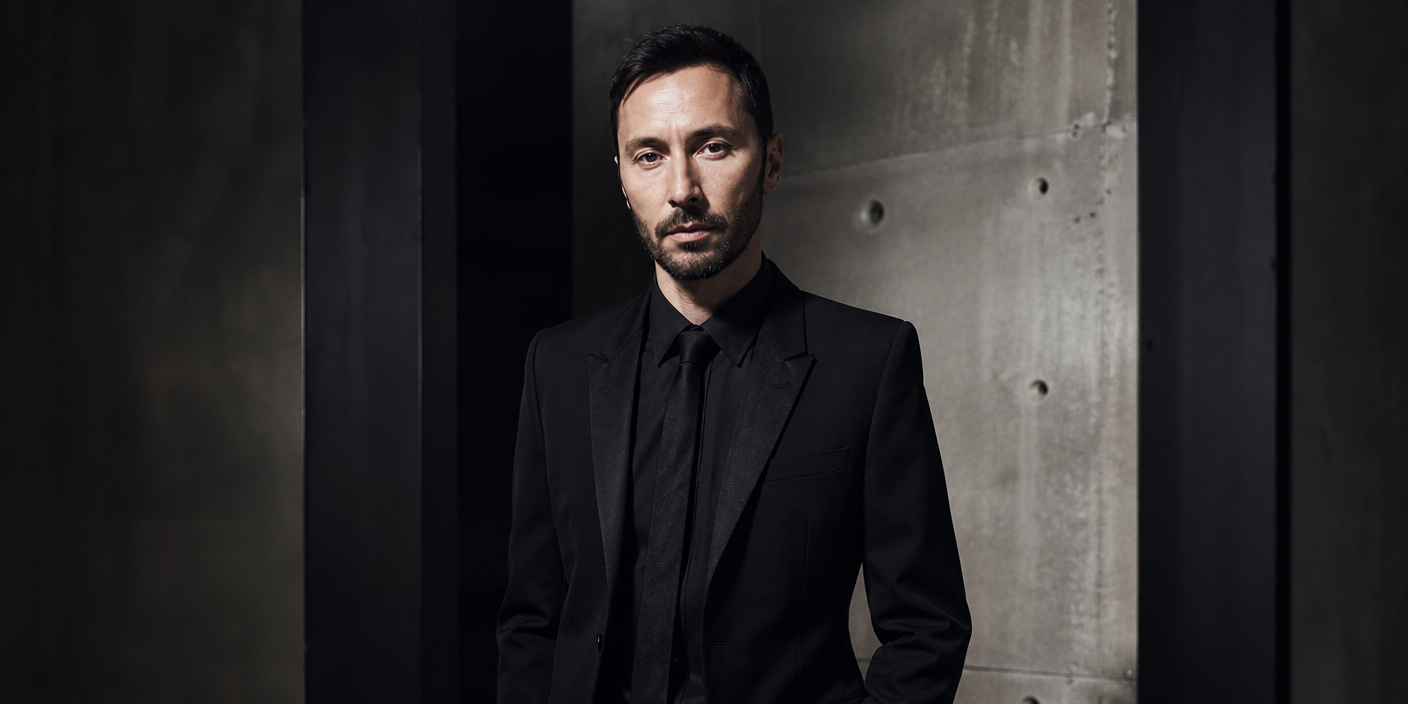
Stefano Gabbana, the visionary co-founder of the Italian luxury powerhouse Dolce & Gabbana, has officially resigned from his position as chairman of the company. The departure, effective since January 1, 2026, marks the end of his direct oversight role, though the designer will maintain his critical creative functions within the group. The move, characterized by the company as a “natural evolution of its organizational structure and governance,” comes at a defining moment for the Milan-based label, as it navigates a complex financial landscape and shifts in the global luxury market.
Key Highlights
- Formal Resignation: Stefano Gabbana stepped down as chairman on January 1, 2026, a move confirmed via recent corporate filings.
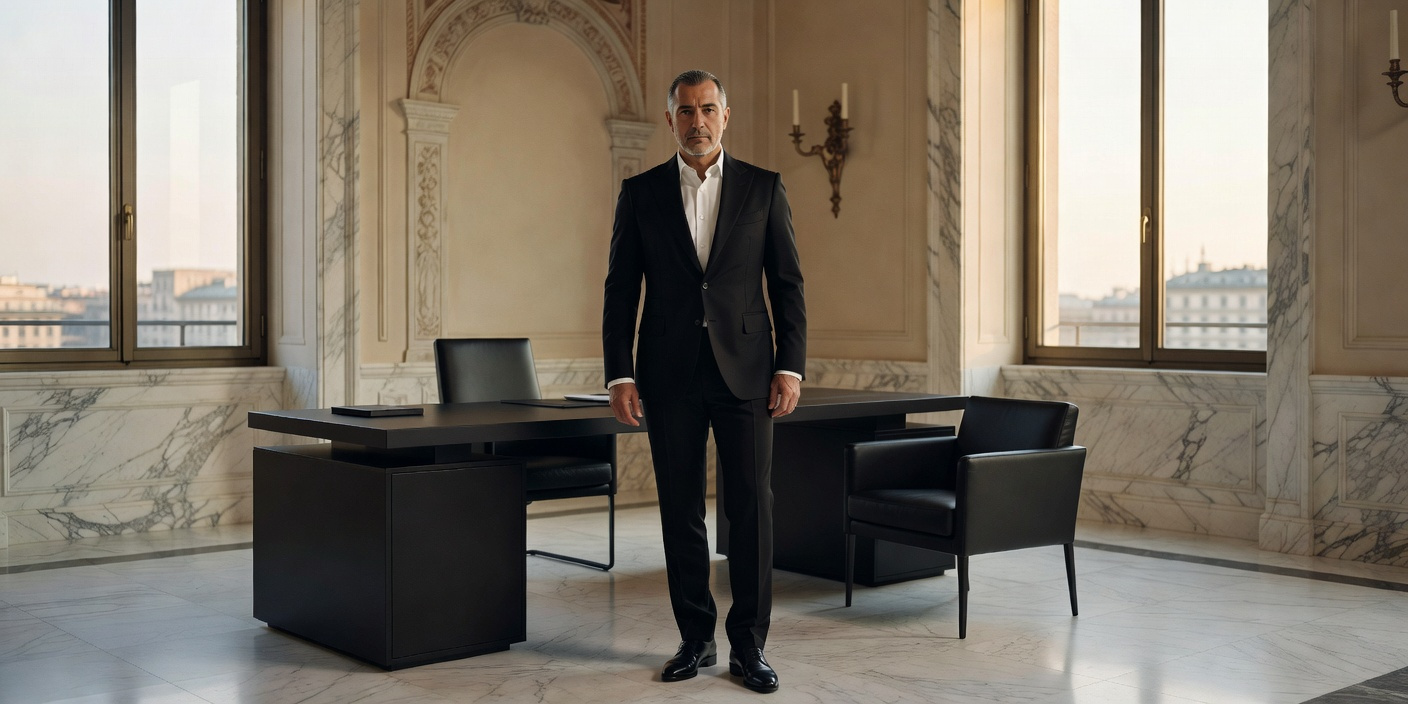
- Leadership Succession: Alfonso Dolce, current CEO and brother of co-founder Domenico Dolce, has assumed the chairman role.
- Creative Continuity: The brand emphasized that the governance change has no impact on Gabbana’s ongoing creative contributions and artistic direction.
- Financial Restructuring: The management shuffle occurs alongside delicate negotiations with lenders to refinance 450 million euros of debt.
- Stakeholder Speculation: Reports indicate that Gabbana is weighing options regarding his 40% equity stake in the iconic fashion house.
The Strategic Evolution of a Fashion Titan
The resignation of Stefano Gabbana from the chairmanship of Dolce & Gabbana is more than a mere administrative update; it represents a significant, albeit carefully managed, transition for one of the most recognizable brands in fashion history. Founded in 1985 by Stefano Gabbana and Domenico Dolce, the label became synonymous with a specific, maximalist Italian glamour that transformed from a niche Milanese boutique into a global behemoth. For four decades, the duo has acted as the dual pillars of the brand’s identity, making any change in their formal corporate roles a subject of intense industry scrutiny.
Governance as a Response to Global Shifts
In the luxury sector, long-term sustainability often demands a transition from founder-led oversight to more institutionalized management frameworks. By separating the creative control—which remains firmly with the founders—from the administrative and board-level responsibilities, the company is aligning itself with the practices of larger luxury conglomerates. The appointment of Alfonso Dolce, who has served as the company’s chief executive, to the additional role of chairman, creates a consolidation of power within the Dolce family, ensuring that the brand’s strategic direction remains focused while potentially streamlining decision-making processes. This structure suggests a desire to professionalize the firm’s governance without diluting the authentic, family-centric culture that has been central to its brand equity.
The Financial Nexus and Debt Management
While the company has framed the change as an evolution of structure, market analysts are closely observing the timing. The move aligns with the brand’s broader efforts to stabilize its financial positioning. With approximately 450 million euros in bank debt requiring refinancing, the company is in the midst of navigating a volatile economic environment. Luxury brands, traditionally resilient, have faced headwinds due to shifting consumer patterns and macroeconomic instability.
Industry reports confirm that Dolce & Gabbana has engaged advisors, including Rothschild & Co, to navigate these complex negotiations with creditors. The search for up to 150 million euros in fresh funding suggests that the company is proactively shoring up its balance sheet. This environment naturally invites speculation regarding equity stakes. Stefano Gabbana’s assessment of his 40% ownership, while standard in high-level corporate transitions, adds a layer of complexity to the brand’s long-term autonomy. Should a portion of these shares be divested or reorganized, it would signal a profound shift in the company’s ownership structure, potentially opening the door for new investment partners or private equity involvement.
Creative Independence: The Heart of the Brand
Despite the corporate maneuvering, the company has been categorical in its messaging: Stefano Gabbana’s creative output remains untouched. In the world of high fashion, the distinction between the “Chairman” role and the “Creative Director” role is essential. The former is about fiduciary duty, risk management, and investor relations; the latter is about the soul of the brand—the fabrics, the cuts, the runway narratives, and the cultural relevance that keeps a fashion house at the forefront of the zeitgeist. By shedding the administrative burden of the chairmanship, Gabbana may, in fact, be positioning himself to focus more exclusively on the artistic evolution of the label.
This is particularly relevant as the brand continues to expand its reach beyond traditional apparel. With investments in hospitality, interior design, and immersive brand experiences, the workload for creative leadership has grown exponentially. The transition allows for a modern division of labor where the administrative heavy lifting is managed by the CEO and Chairman, while the artistic legacy continues to be safeguarded by the original architects of the aesthetic.
FAQ: People Also Ask
1. Is Stefano Gabbana still working for Dolce & Gabbana?
Yes, absolutely. Stefano Gabbana remains deeply involved in the creative direction of the brand and continues to design collections alongside co-founder Domenico Dolce, just as he has for the past 40 years.
2. Why did Stefano Gabbana step down as chairman?
The company described the resignation as a “natural evolution of its organizational structure and governance.” It is viewed as part of a move to modernize the firm’s leadership, allowing for a clearer separation between corporate management and creative vision, particularly as the company navigates debt refinancing.
3. Who is the new chairman of Dolce & Gabbana?
Alfonso Dolce, who is the brother of co-founder Domenico Dolce and has served as the brand’s CEO, has taken on the role of chairman.
4. Is the brand facing financial trouble?
The company is in the process of refinancing approximately 450 million euros in debt. While this is a significant financial undertaking, it is common for large, private luxury houses to engage in such refinancing rounds to optimize their capital structure and prepare for future growth.