Bad Bunny headlined the Super Bowl LX halftime show on February 8, 2026. The performance took place at Levi’s Stadium in Santa Clara, California. This event marked a historic milestone. Bad Bunny became the first solo Latino artist to headline the show. Furthermore, it was the first halftime performance entirely in Spanish. The show was highly anticipated. Many expected it to provoke controversy. However, the performance was largely a celebration. It honored Latino culture and identity.
A Cultural Tapestry Unfolds
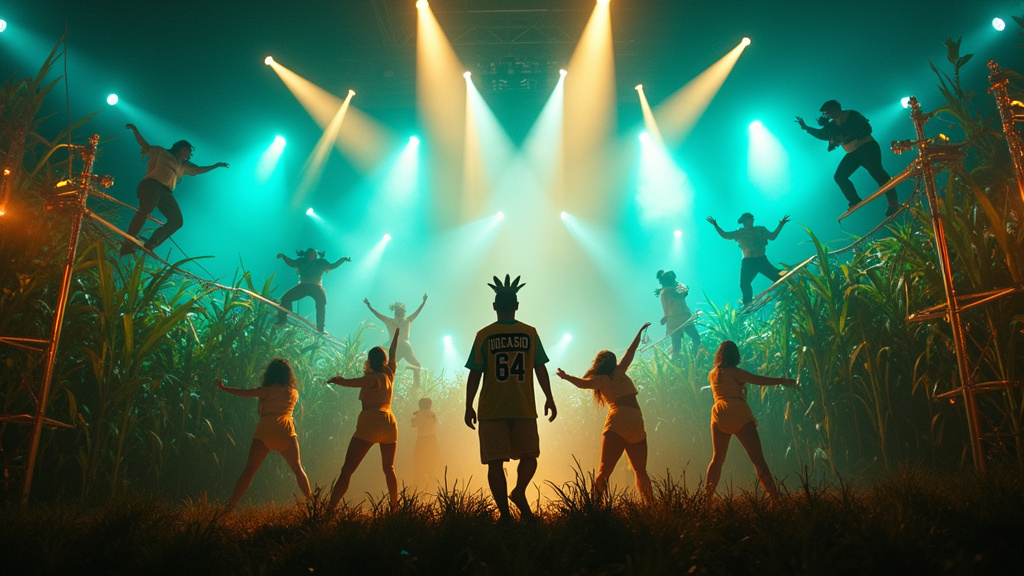
The stage transformed into a vibrant homage to Puerto Rico. Sugarcane fields and traditional rural scenes set the backdrop. Dancers and performers showcased Puerto Rican life. They depicted farmers, domino players, and vendors. Bad Bunny’s jersey bore “Ocasio 64.” This was a nod to his heritage and possibly a reference to the initial reported death toll after Hurricane Maria. The show’s imagery also addressed infrastructure issues. Dancers on power lines evoked the island’s frequent blackouts. This highlighted themes of displacement and corruption. The performance also included a real-life wedding.
Star Power and Cameos
The halftime show featured a star-studded lineup. Lady Gaga joined Bad Bunny for “Die With a Smile.” Ricky Martin performed a song about Puerto Rican autonomy. Many other celebrities made appearances. Cardi B, Pedro Pascal, and Jessica Alba were among them. Karol G and Young Miko also had cameos. These appearances amplified the celebration of Latino talent.
The Question of Provocation
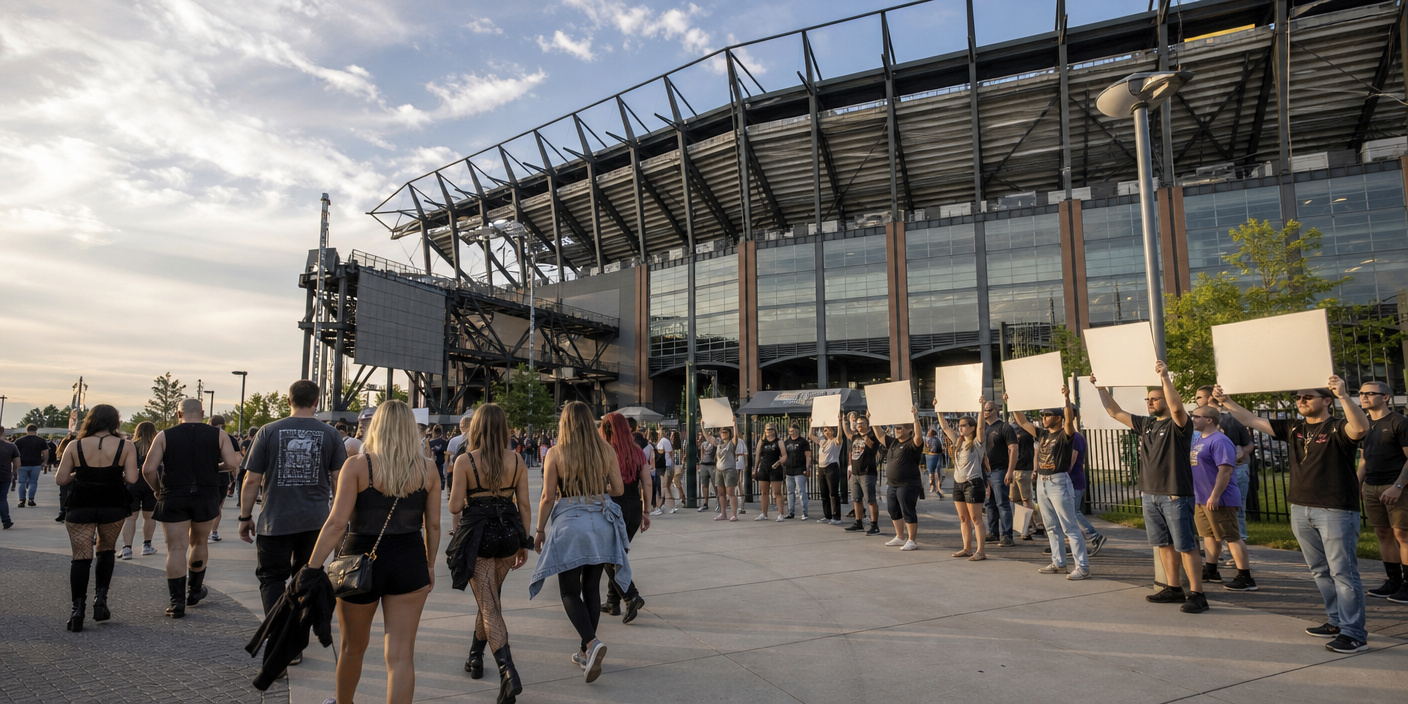
Expectations were high for Bad Bunny to deliver a provocative message. He has been vocal about his criticism of U.S. immigration policies. His Grammy speech calling for “ICE out” resonated widely. Some conservatives, including former President Donald Trump, criticized his selection. Turning Point USA hosted an alternative concert. They called it the “All-American Halftime Show.” Critics argued the Spanish-language performance was un-American. They also feared feeling left out.
However, the performance was ultimately rated as more of a celebration. One analysis called it a “solid 3” on a provocation scale. The show focused more on cultural pride. It highlighted Latino identity and resilience. Bad Bunny’s message focused on unity and self-belief. He encouraged audiences to choose love over hate. While political themes were present, they were woven into cultural context. The show was less overtly political than some anticipated.
Impact and Legacy
Bad Bunny’s halftime show was a major news event. It broke records for viewership and engagement. Apple Music reported a sevenfold spike in listens to his music. Shazam recognitions for his tracks increased. The performance also boosted interest in learning Spanish. Duolingo saw millions of new learners. The show was a landmark moment for Latino representation. It challenged norms for mainstream entertainment. The performance celebrated diversity. It sparked conversations about inclusion. Bad Bunny delivered a powerful message. He showed that music transcends language. His show was a testament to cultural pride. It cemented his status as a global cultural force.