US Retail Customer Satisfaction Sees Modest Gain Amid Economic Headwinds
US retail customer satisfaction is up. This happened in 2026. Economic pressures still exist. Overall satisfaction edged higher. General merchandise retailers improved. Specialty retailers also saw gains. Online retail satisfaction remained steady. Supermarkets, however, slipped slightly.
Shoppers are more value-focused. They are also more disciplined buyers. This reshapes current buying patterns. Generation Z consumers are particularly value-driven. Retailers face tougher competition. Gaps between top and bottom performers are narrowing. Consumer expectations for price and experience are rising.
Top Retailers Lead with Innovation
Apparel retailers Gap and H&M are leading their category. Both achieved a score of 77. Foot Locker leads in sporting goods. It scored 80.
Nordstrom excels among online retailers. It achieved a score of 82. This was a significant 5% surge. Nordstrom combined AI with human service. Amazon tied Nordstrom. It scored 82 but dropped 1%. Chewy also tied for the top spot online.
Walmart also saw notable gains. It improved by 3% to 77. Walmart uses AI tools. These help with personalized shopping. Direct purchasing via ChatGPT is also available. This is part of its OpenAI partnership.
Technology Drives Customer Experience
AI is transforming retail operations. It helps set dynamic pricing. AI also adjusts product ranges. It personalizes promotions and optimizes logistics. On the front end, AI assistants help customers. They solve queries and handle sales. This frees up human teams.
The combination of AI and human judgment is key. Nordstrom’s success highlights this blend.
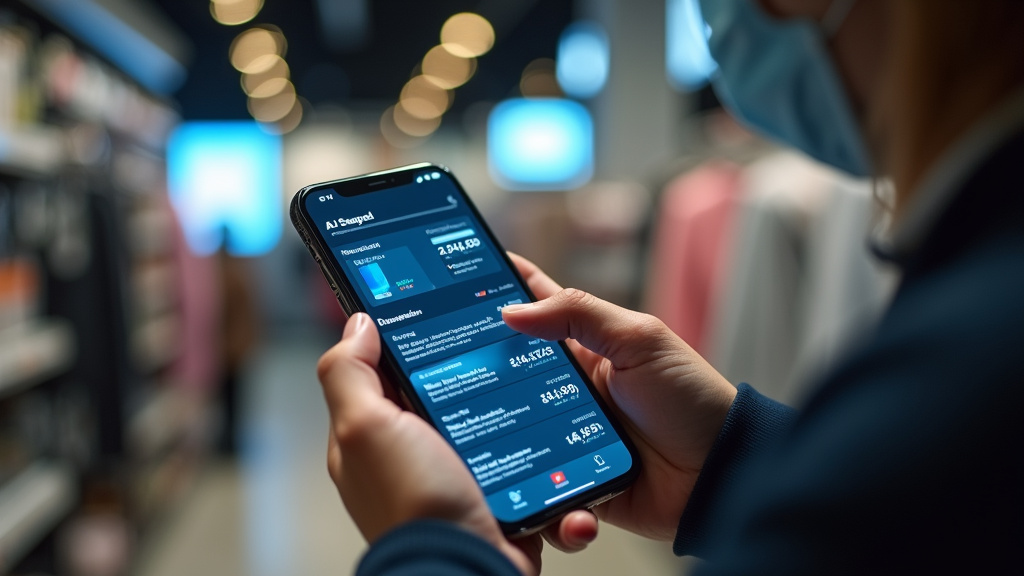
Mobile apps remain critical for shoppers. 58% of consumers use them. App quality rose 1% to 88. Reliability climbed 2% to 87. These are high experience metrics. Ease of checkout also improved.
Economic Pressures Impact Sectors
Higher prices due to tariffs hurt some sectors. Home improvement retailers faced challenges. Home Depot fell 5% to 75. Lowe’s declined 3% to 74. This contrasts with other segments.
Consumer behavior is shifting. There is a greater focus on value. Shoppers are also starting holiday shopping earlier. They avoid last-minute splurges.
The New Retail Landscape
The retail industry is evolving. Agility is key for success. Tariffs are a major hurdle. Consumer priorities are changing. Technology disruption is rapid.
Value is now a universal filter. It’s not just about low prices. It includes emotional and functional connections. Retailers focus on authenticity and trust.
The middle market is growing. It replaces luxury as a main value creator. Resale fashion is also growing fast. Consumers are seeking value.
Supermarkets saw a slight decline. Trader Joe’s leads this category. It scored 86. Publix followed at 84. H-E-B was third with 83.
Future Outlook
Retailers must adapt quickly. They need to sharpen value propositions. AI integration is crucial. Retailers need compelling reasons to choose them.
Efficiency is a top priority. Managing costs is essential. Retailers are adjusting investment. They shift capital to profitable ventures.
Customer loyalty is a key battleground. Retailers must deliver clear value. They must also offer smooth experiences. This sets the tone for continued competition.